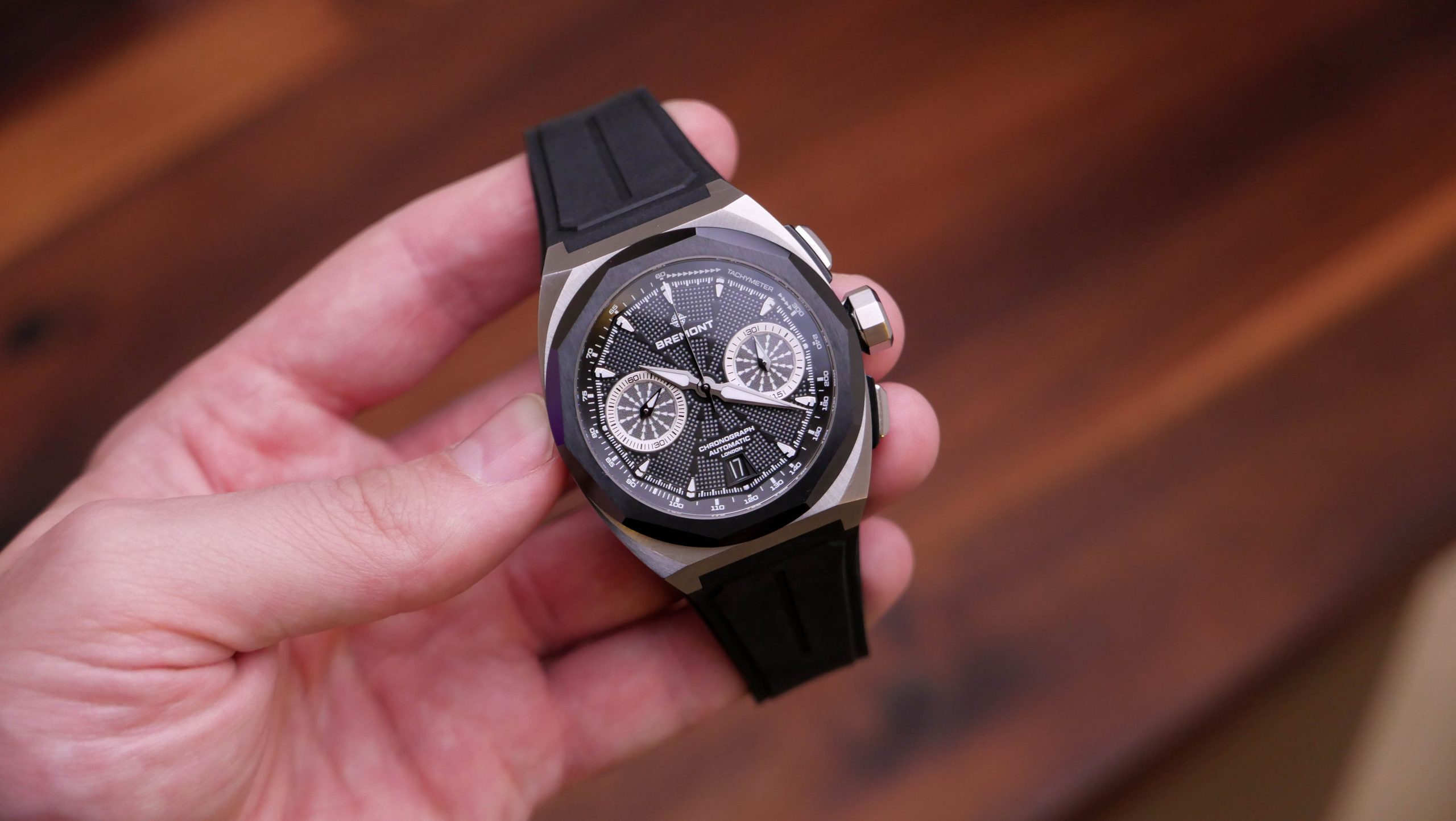
Today we’re reviewing a new Bremont that was released during this years Watches & Wonders 2026 in Geneva, and I actually did manage to have a first look at the watch and handle it briefly during the event. These events are very high paced and strenuous, often transforming into a blur of a memory by the time you sit down and enjoy a glass of wine at the end of the day. The new Supernova Chronograph did leave a lasting impression on me though, as I remember quite the buzz about Bremont sending it to the lunar south pole in partnership with Atrolab, and so I’m very happy to finally have an example with us in the studio for review.
This watch offers quite the respite away from Bremont’s traditional aviation inspired tool watches, and essentially re-tools the watch into a “beyond aviation” realm, and into the category of space exploration. Instead of a classically designed pilot’s watch, the Supernova Chronograph is an extroverted functions first watch, exchanging a classically rounded case design and leaning into an edgy, sharp, and angular shape, or one could simply describe it as futuristic in appearance.
Purpose Built
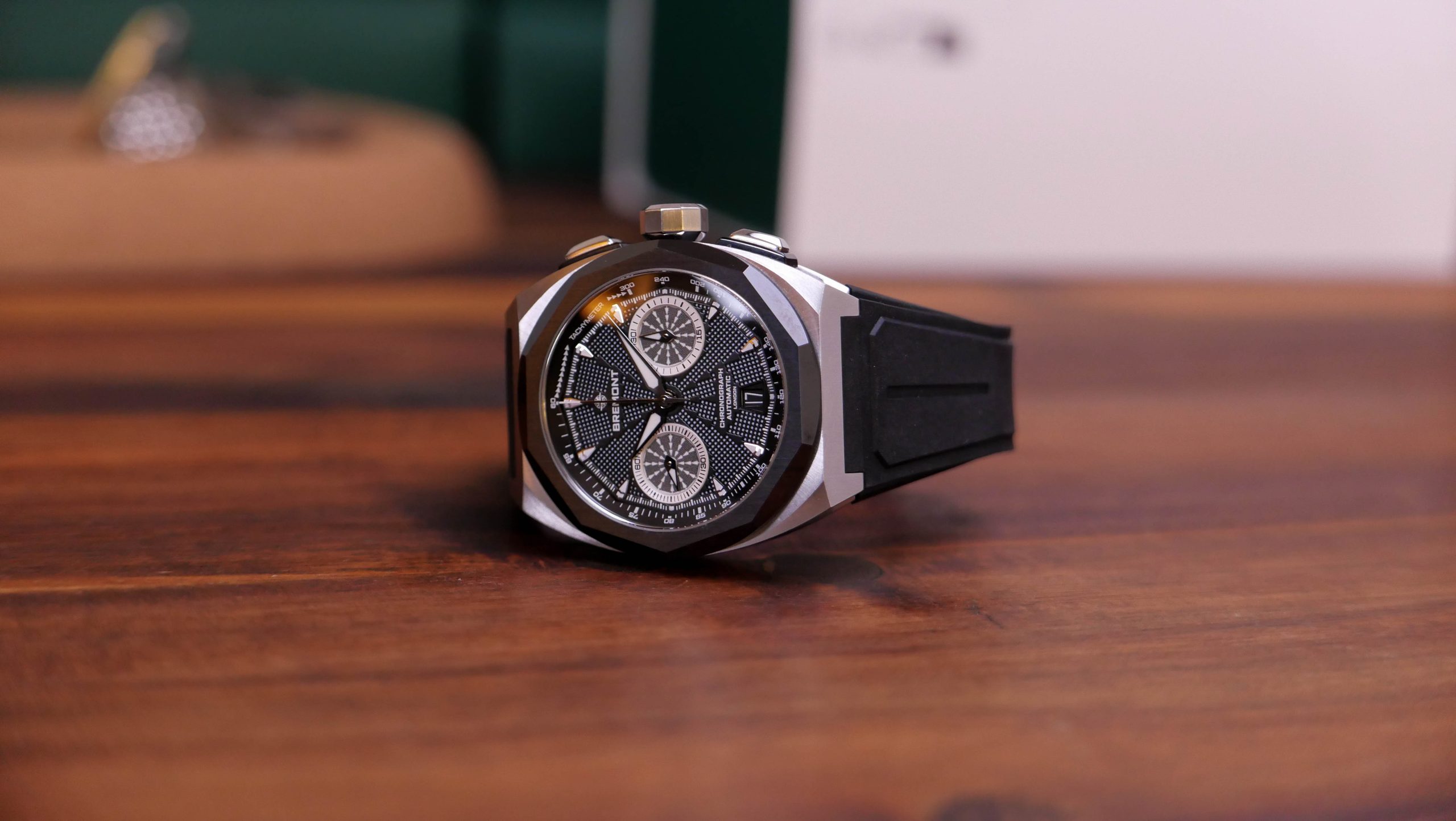
The overall design and mechanical engineering behind this watch has two meaningful purposes. The first and foremost was to create a mechanical watch that can withstand the conditions of space, and secondly – to have this watch simultaneously retain the ability to be worn on earth by enthusiasts as a “luxury” purpose built tool watch. Should Bremont have designed it to meet only 1 of these 2 criteria, it would have turned out to be an entirely different looking, and functioning watch, than it is now.
I’ve reviewed many Bremont’s in the past, starting with their ALT1-C back in 2017, and more recently their Terra Nova Power Reserve in 2024, and many more in-between. I’ll come right out and say it, the Supernova Chronograph is the busiest watch I’ve seen from Bremont. It has an incredibly intricate dial inspired by a geometric solar array with multiple perforations that mimic photovoltaic panels used to power spacecraft, in combination with a fully lumed dial, and of course a dual register chronograph. Lest we leave out the date window at 6 o’clock, and a peculiar implementation of applied arrow head markers that all point towards the center of the dial. There is also an internal tachymeter scale that has been squeezed into the very outer slopped track of the dial. Despite the complexity of the watch, besides simple time telling, it brings along with it only two mechanical complications, which is the chronograph function and the date.
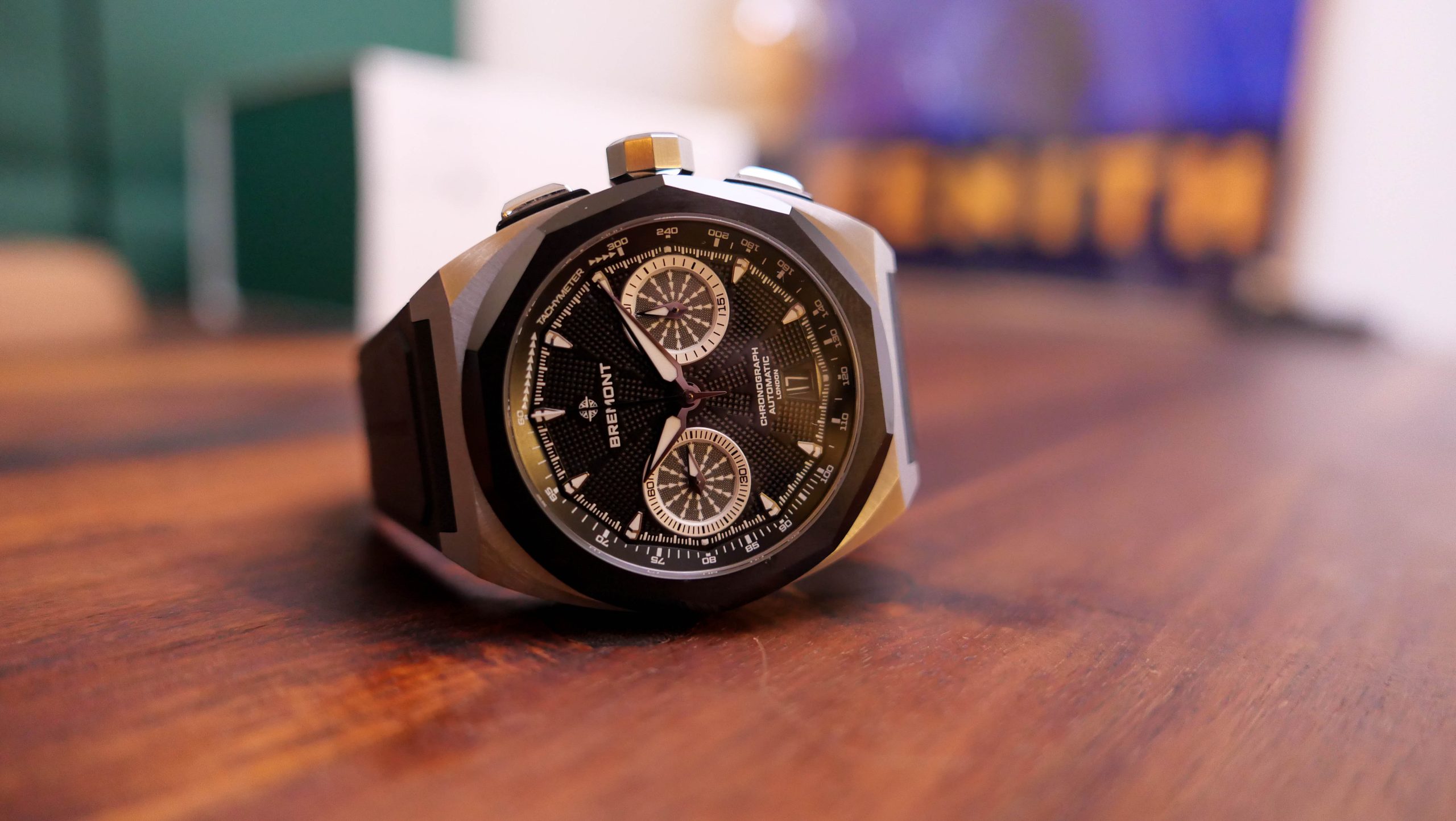
Along with its complex dial design, the case and bezel have also been shaped to meet modern demand in the luxury sport watch segment. The bezel is made out of ceramic with a really attractive black or almost charcoal like shade, and it’s ten-sided, yes not simply octagonal, but rather decagonal. The case also has its fair share of design attributes as well, with angular lugs and an oval like or almost cushion shape that rounds outwards and then bends back in towards the lugs. The case is also a sandwich construction, very reminiscent of Bremont’s signature Trip-Tick architecture, giving a nod to many of their past watches that used this special case construction in the past.
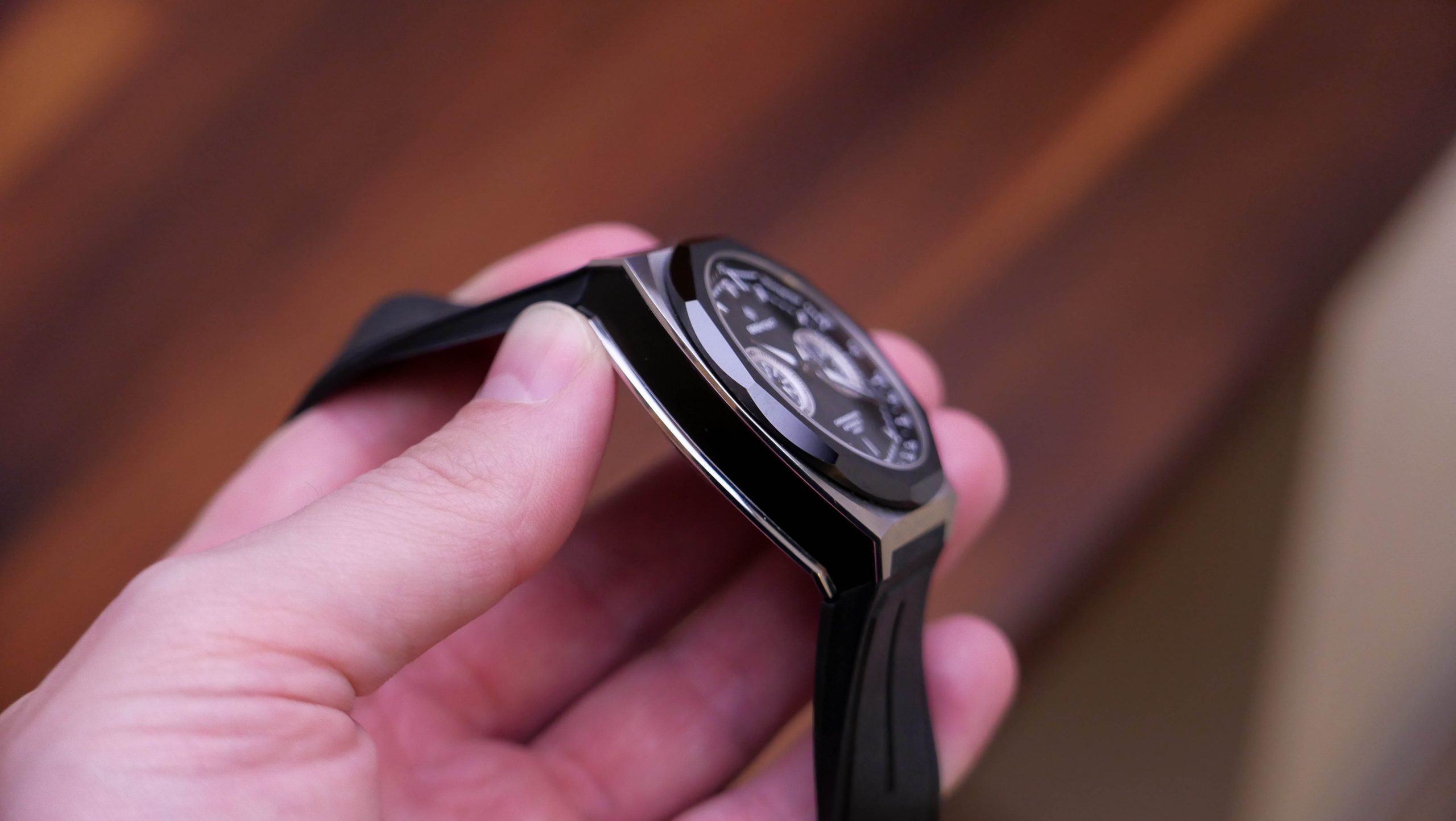
One of the most important, and for Bremont, exclusive to the Supernova, is the use of an integrated bracelet. A non-complex however incredibly popular trend we’ve seen many brands introduce into recent collections, for example Rolex with the Land-Dweller, Zenith with the DEFY Skyline, and even Tissot with their PRX. Bremont first implemented their integrated bracelet in the Supernova back in 2022 with the H1, which used a very slick metal bracelet integration. The one that we’re seeing here on the new Chronograph variant is quite different in design, using a more of a choppier “function first” integration due to the rubber strap meeting the metal case. The way the rubber strap meets the sharply downturned angle of the case lugs is slightly more intensional in appearance, giving off an industrial “space age” type of vibe.
On Wrist
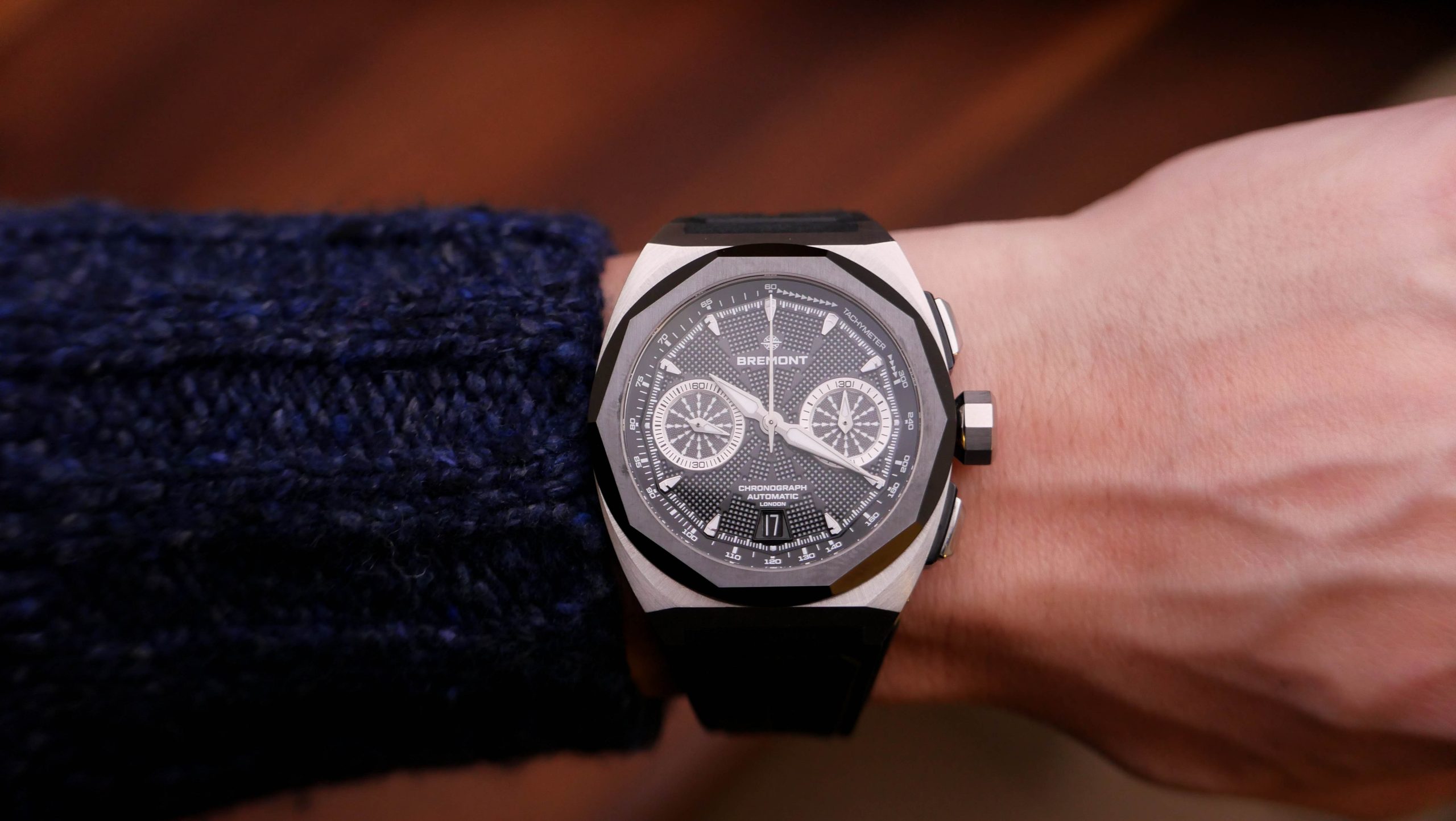
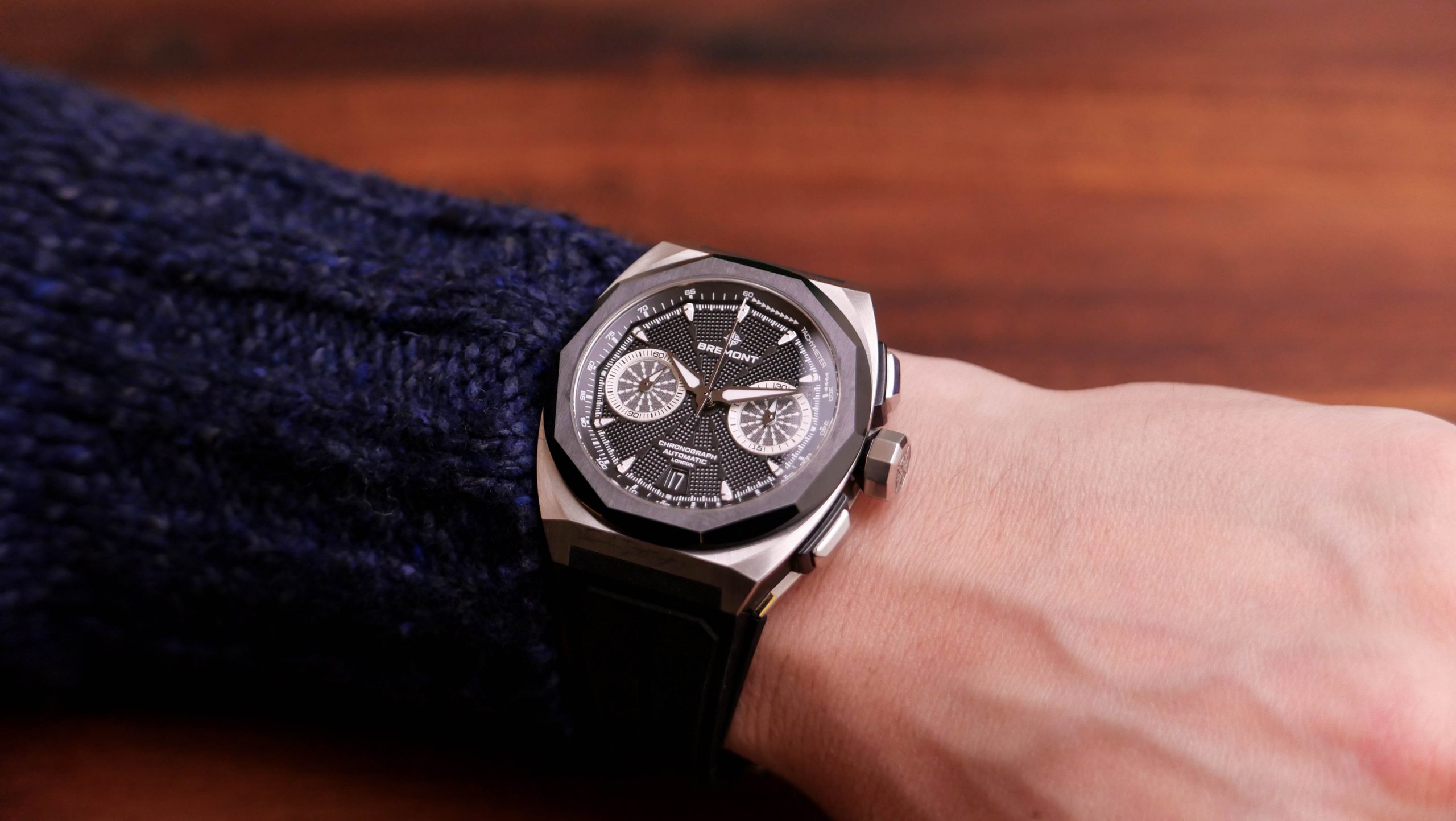
Some watches can vary from their stated sizing specs on paper, and some are remarkably accurate when it comes to actual realistic wearability. In my experience, the Supernova Chronograph wears a touch larger that its measurements would suggest. The watch measures in at a 41mm case diameter, with a 14.4mm thickness, and a lug to lug distance of 48.7. These numbers are already too large for my 6.5 inch wrist, and it’s even further exaggerated due to the case shape and chronograph side pushers. Realistically, in order for you to have a comfortable daily wearing experience, I’d recommend your wrist to be at least very close to 7 inches in size.
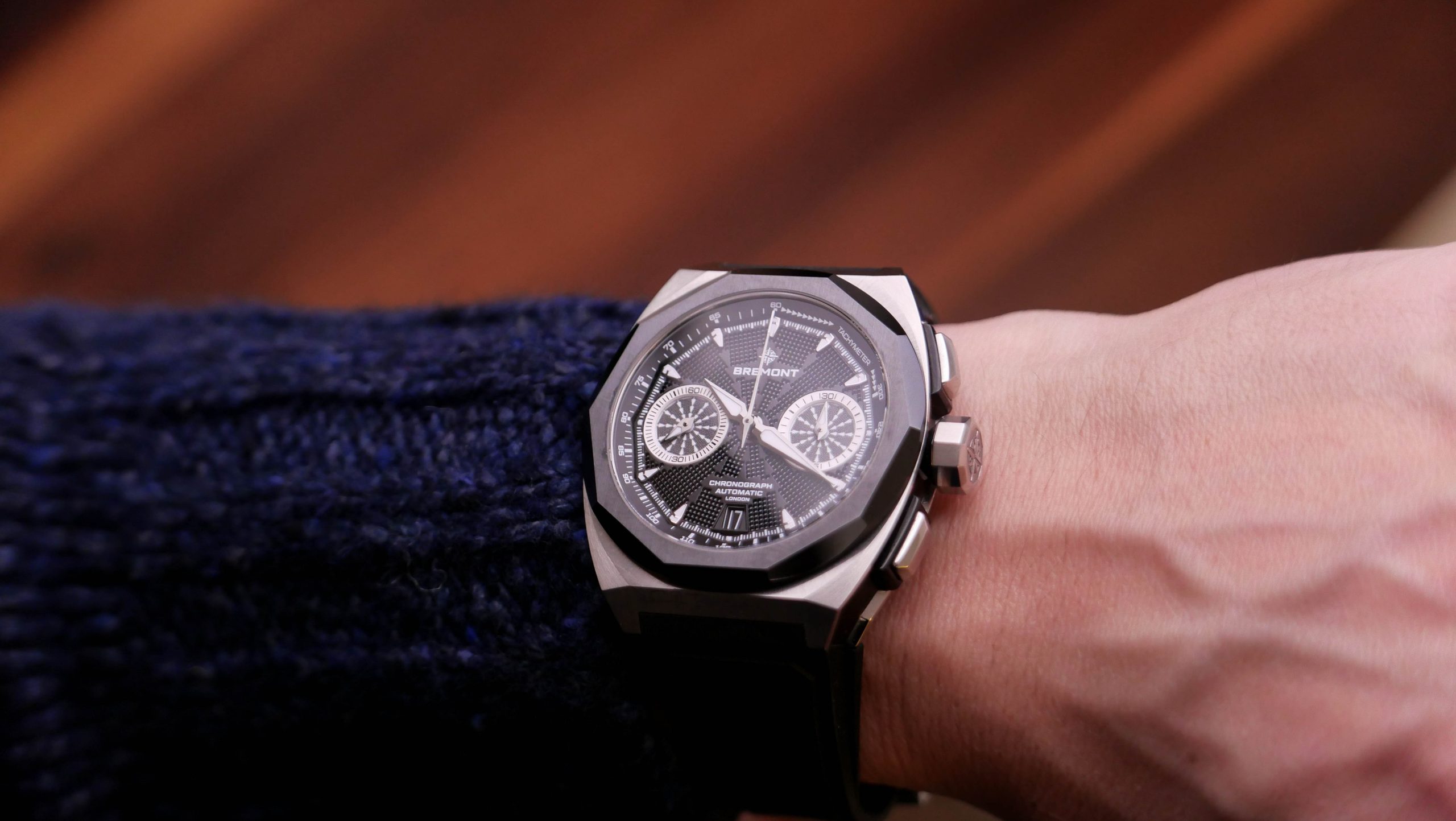
Sizing is in total correlation with your personal wrist size, what really matters is the ergonomics of the watch, which to me seem excellent. The way the lugs are sharply angled downwards, and the way the case curves outwards from the side, make for a comfortable fit on wrist. Comfort is also kicked up a notch due to the use of a very flexible rubber strap and its integration into the case, allowing the strap to flex directly downwards against your wrist, or to contour it should you have a large wrist size. The rubber strap and ceramic bezel also contribute to a slight reduction in weight, which is noticeable on wrist.
Movement
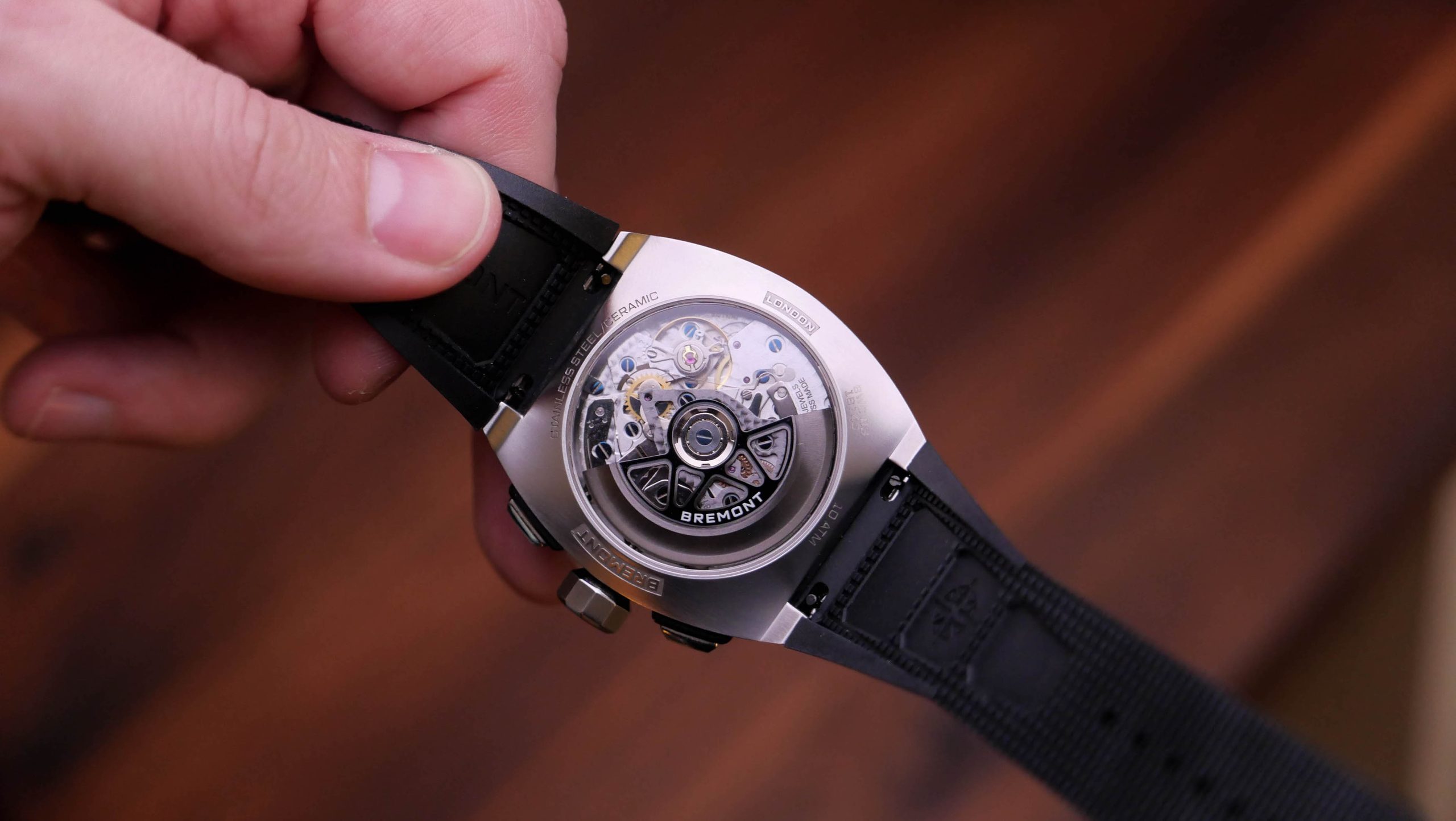
Interestingly, the Supernova Chronograph does not use a completly in-house designed movement, rather opting for a modified Sellita SW500 with close origins to the Valjoux 7750, now branded as the calibre BC77AC. The most obvious reason for this is cost savings, however there is a technical reason as well, which comes down to a few specific parts already utilized by the base architecture of the movement. One of the most important parts within the movement, for a watch geared towards space exposure, is the use of a Glucydur balance wheel. This type of balance wheel has extra strong resistance to deformation in terms or raw strength but also remarkable stability across temperature variations, and it’s also highly corrosion resistant. The other two parts are relatively more common, but still contribute advantages to space exploration, these are the Anachron balance spring, and the Nivaflex mainspring.
Nothing from what I’ve discovered suggests that Bremont has modified any of these base movements for the purpose of space use, they appear to be relying on the already implemented strength and design of the base movement as sufficient. The BC77AC is a cam actuated automatic chronograph movement with a substantial power reserve of 62 hours, and it has a frequency of 4Hz. It’s also lightly decorated and viewable through the exhibition caseback, mind you with the rotor taking up nearly 50% of the view. It’s a good looking movement, albeit quite large, with a skeletonized dark grey rotor. some perlage applied to visible plate surfaces, and some blued screws are also visible.

Leave a Reply